Remote Work with Zyplo
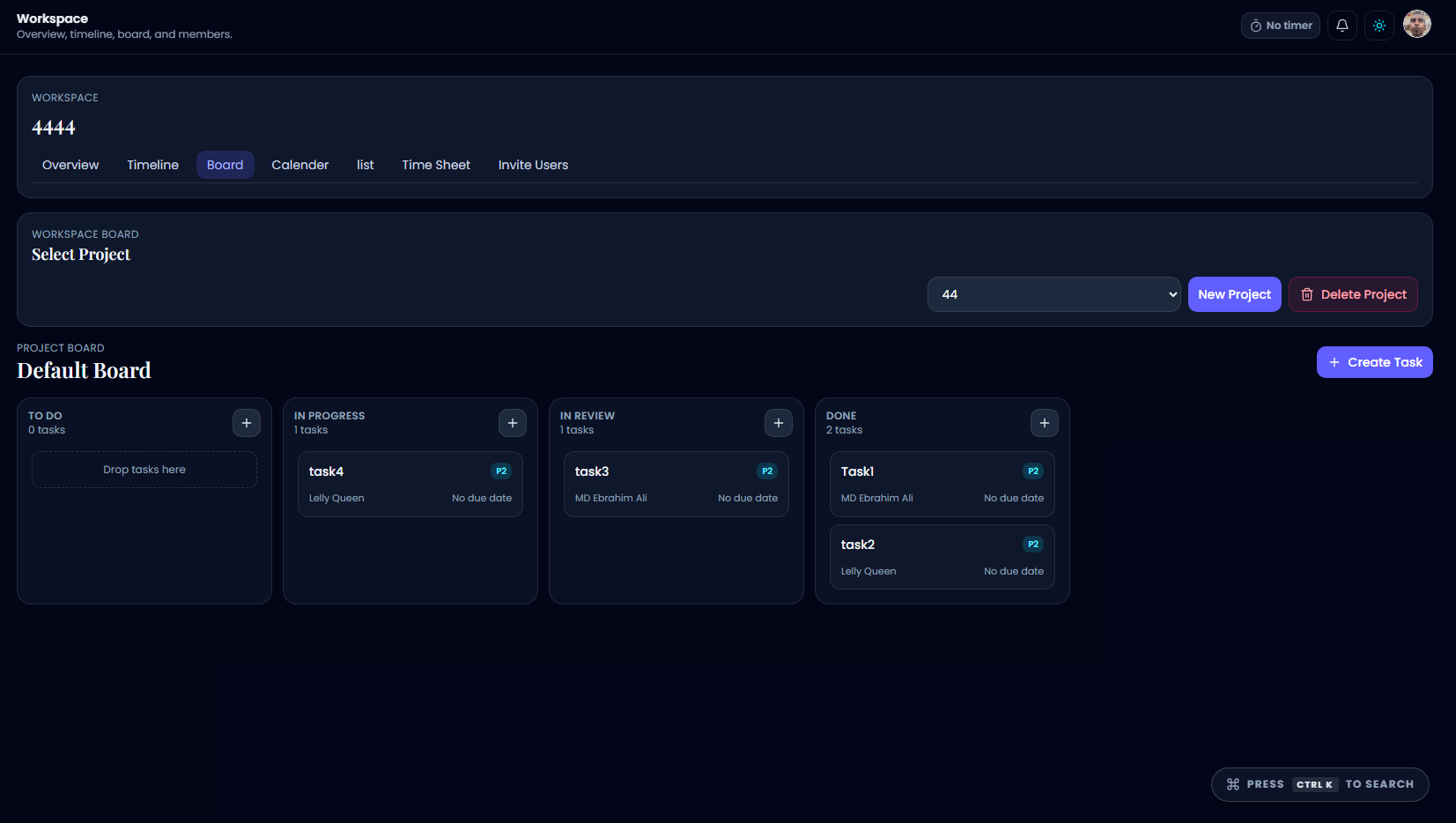
Zyplo is optimized for distributed execution where teammates work across locations and time zones.
The platform centralizes ownership, status, and communication so work stays visible without synchronous dependency.
Use this guide to design resilient async workflows and reduce coordination drag.
Set Up a Remote Team Operating Model
Timezone Planning
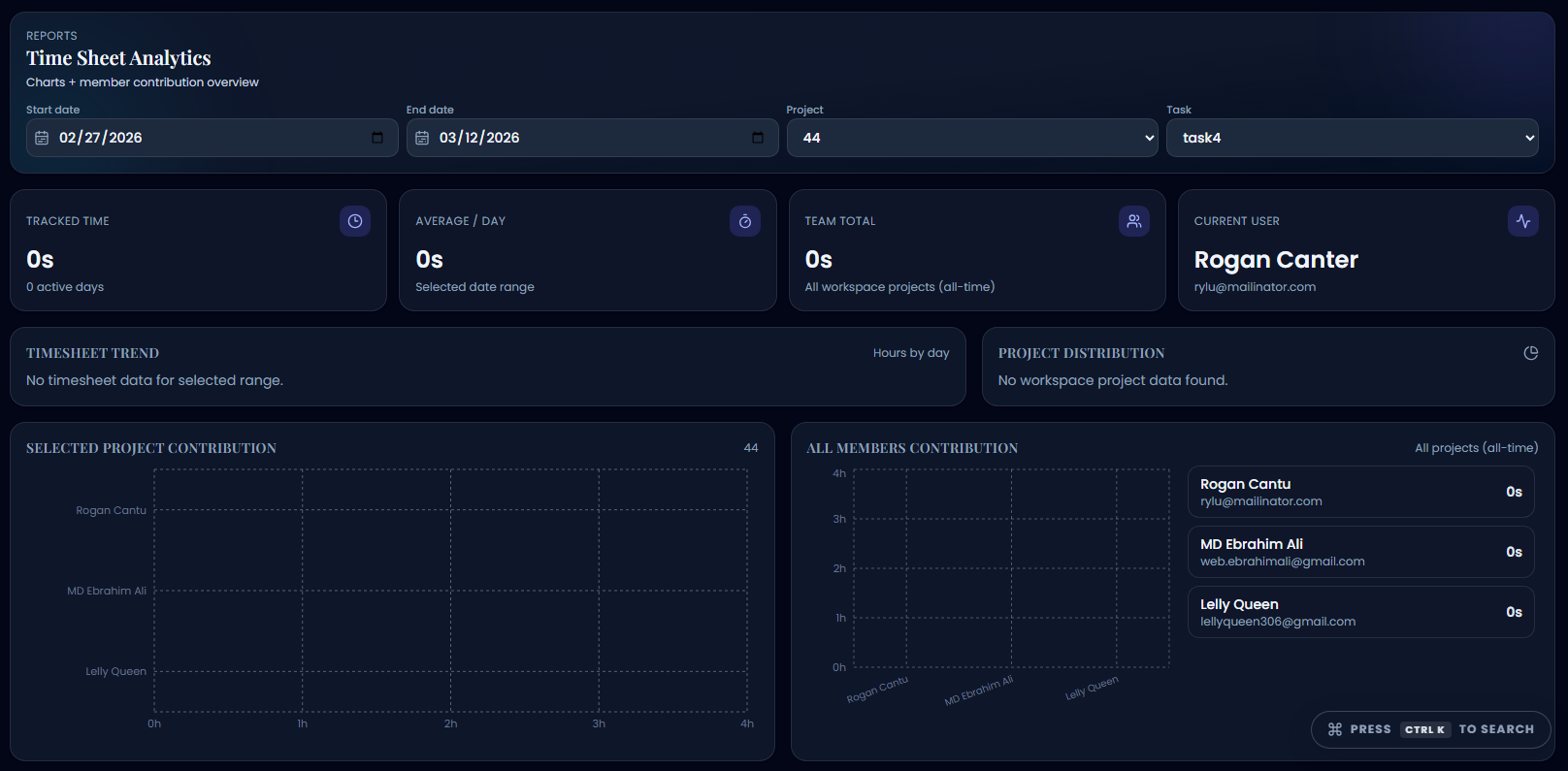
Document overlap windows for each region and assign ownership coverage per project.
Use due dates with timezone awareness and avoid ambiguous day-only deadlines for critical tasks.
Plan review and handoff windows in advance for cross-region workflows.
Role and Ownership Clarity
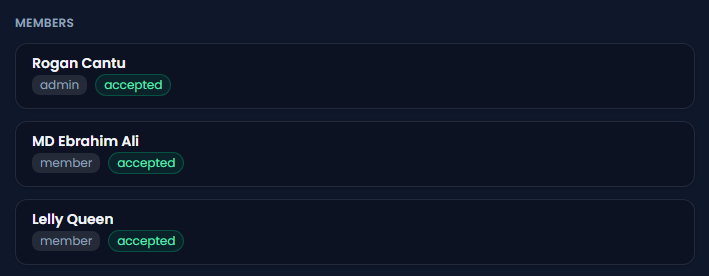
Every active task should have one clear assignee and one clear assigner or lead.
Define escalation owners for blocked or overdue tasks.
Avoid shared ownership on execution tasks unless collaboration is explicitly structured.
Async Collaboration Practices

Status Discipline
Status updates should be timely and factual so teammates in other time zones can continue work confidently.
When changing status, include brief context in task comments if decision is non-obvious.
Prevent duplicate status values by normalizing keys before storing and notifying.
Handoff Quality
Before handoff, ensure task description includes next action, expected output, and blockers.
Use mentions only when action is required, not for passive updates.
Treat handoff notes as production artifacts, not temporary chat messages.
Rituals and Meetings
Run short weekly planning and weekly review sessions instead of daily long meetings.
Use dashboard, board, and activity feed as the source of truth during rituals.
Capture decisions in tasks or project notes immediately after each meeting.
Track action items with due dates and owners so meetings produce measurable outcomes.
Healthy Remote Culture
Celebrate shipped milestones and recognize high-quality collaboration publicly.
Use transparent task ownership and history to reduce blame-driven communication.
Encourage concise written updates that answer progress, blockers, and next step.
Review workload distribution monthly to prevent burnout on core contributors.